
In today’s pursuit of natural rejuvenation and personalized aesthetics, traditional one-size-fits-all aesthetic treatments can no longer meet the modern demand for precision, safety, and sustainable results. More and more individuals are moving away from blindly chasing “celebrity faces” and instead seek subtle enhancements that preserve and elevate their unique features. At this point, a new technology that merges science with artistry has emerged—3D Facial Aesthetic Design. This is not only a visual upgrade, but also a significant transformation in aesthetic medicine philosophy.
3D Facial Aesthetic Design makes beauty measurable and anti-aging a scientific, gentle process.
How 3D Modeling Redefines Facial Assessment
Unlike traditional assessments based on visual observation and clinical experience, 3D modeling uses high-precision scanning technology to generate a detailed digital model of the face. This captures the full scope of bone structure, fat distribution, muscle dynamics, and skin condition. These digital models can simulate the impact of different treatment plans in real time, offering a more objective, data-driven foundation for clinical decisions. It replaces guesswork with measurable analysis—clearly defining what needs to be filled, lifted, or tightened.
A Foundational Tool for Personalized Treatment
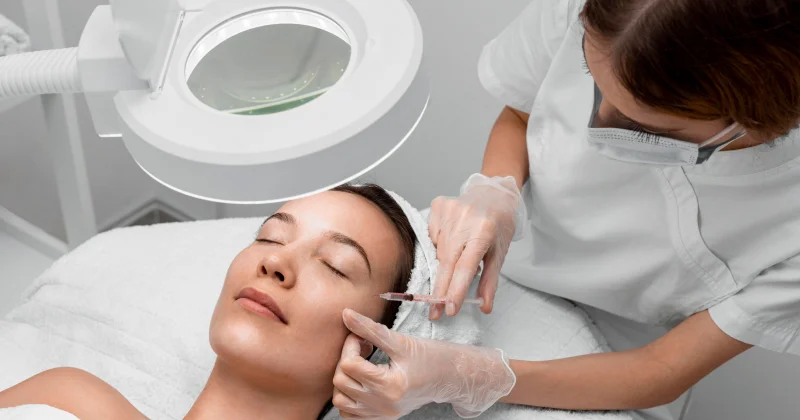
The core value of 3D modeling lies in achieving truly customized treatment plans. Each individual has a unique facial structure, profile angles, and dynamic muscle patterns. With 3D modeling, physicians can pinpoint the root cause of aesthetic concerns—is it volume loss from bone resorption, tissue sagging, or collagen breakdown? These insights directly influence the choice of injectable products, dosage distribution, and energy-based treatment parameters, helping avoid overtreatment or ineffective procedures.
A Strategic Approach to Scientific Anti-Aging
Compared to reactive, spot-fix methods that simply “treat what’s aged,” 3D facial analysis enables a shift toward proactive, preventative care. Based on modeling results, doctors can forecast aging patterns and develop progressive, staged anti-aging plans. For example, when skin elasticity is still adequate, early collagen stimulation via thread lifting or Sofwave may be more appropriate; when fat volume begins to decline, structure-supporting fillers can be introduced before visible collapse occurs. This forward-thinking approach preserves facial harmony and slows the aging process naturally—without sudden, dramatic changes that can lead to stiffness.
Enhancing Safety and Building Client Trust
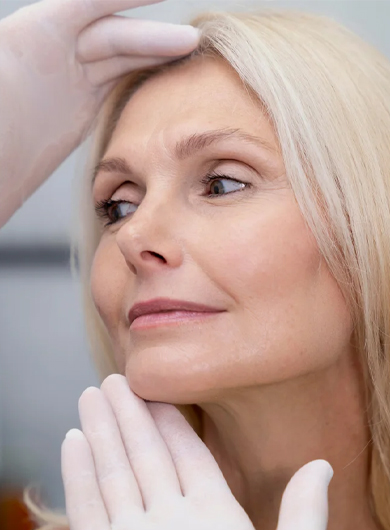
3D facial design is not only a planning tool but also a powerful communication bridge. Clients often struggle to articulate their concerns or goals clearly, but visual models allow both the problem areas and potential outcomes to be seen intuitively. For practitioners, it serves as a diagnostic guide; for clients, it provides a clear preview of expected results. This visualization process builds trust and cooperation before treatment even begins, while also supporting standardized documentation and post-treatment follow-up.
Conclusion: Technology Brings Aesthetics Back to Its Core
The true goal of aesthetic medicine has never been to make everyone look the same—it is to enhance natural beauty while honoring individual identity. 3D Facial Aesthetic Design is the starting point for that mission. It brings evidence and clarity to the concept of beauty, and it transforms anti-aging into a science-guided, gentle journey. In a time of ever-evolving technology, beauty is no longer about imitation, but about making informed, personalized, and confident choices.